


To write or not to write....?

Updated: Aug 18
Maybe just do it anyway.

I have always enjoyed writing, and I am an avid consumer of other peoples’ content. However, I have often wondered whether anything I had to say would be of any interest to others. With the astronomical amount of content that our human race now has access to, what could I write that hadn’t already been written? Well, I then thought, maybe just an introduction to me, and to Chinese medicine, kind of. So here goes. I guess I can write, and publish and if no one reads then no one reads. At least I am in part fulfilling a sort of creative urge and purging some stuff from the merry-go-round of my mind.
I am a Chinese medicine practitioner. I have been now for over a decade. After being introduced to Eastern philosophy by a particularly unique and inspiring English teacher during my A-Levels (‘JB’ - thank you for your interest and belief in my abilities) I meandered a circuitous route (via retail and banking) to acupuncture school. Since then I have studied pretty much endlessly in an attempt to answer my various existential ponderances (why are we here, what are we meant to be achieving, what happens when we die, where were we before we were born into this particular consciousness) and understand as many of the intricacies as possible of what it means to be a human.
Fascinated by health, but endlessly frustrated by Western medicine’s inability and unwillingness to provide the why’s, I turned to ‘alternatives’ to look for more satisfying answers. Turns out that Daoism and Chinese medical principles have a lot of rich theoretical material that plugged a lot of these holes, at least for me. Viewing the physical body as a type of fractal microcosm of the larger natural world around us, disease is explained via a system of balance and imbalance, excess and deficiency, lack of adaptability or over compensation to external and internal factors and influences.
Just as the world has its climates and differing ecosystems depending on the various ratios of rain, wind, sun and snow, our constitutions and elemental make-ups predispose us to cold, hot and/or damp tendencies. These tendencies create the landscape of our bodies and dictate how we affect, and are affected by, the world. They also help explain the differences in metabolism, appetite, heat/cold tolerance, temperament and resilience that characterise the diversity of the humans on this planet. Ultimately, these climatic factors are all influencing our blood, which the Chinese would say carries the absolute essence of who we are, it carries our spirit and conveys our consciousness.
As acupuncturists, we are primarily pre-occupied by the state of someone’s blood. Is it rich and thick enough to hold warmth, and mobile enough to deliver that warmth (as well as oxygen and nutrients) to all the cells and extremities that need it? Is it lacking in quality (thin blood will carry less warmth and move too quickly, thick blood tends to be sticky and slow) or quantity (menstrual cycles, processed foods, stress, artificial lights and sub-optimal digestive systems all impact how much blood we produce and circulate). And blood is not only nutritive in this model, it is also protective. What we loosely term as our immune system in common parlance hinges predominantly - in Chinese medicine - on the adaptability and resilience of our blood.
For example, if the weather turns unexpectedly cold and windy and we venture outside with insufficient clothing, our warm blood will retreat to our internal organs to keep them safe and warm leaving our periphery vulnerable and exposed to invasion. Otherwise known as the common cold, with its ensuing stiff neck, headache, sneezes and runny nose. If we cannot sneeze and shiver out the cold, it will move deeper into our systems, triggering a fever as our body then pushes warmth back out to the surface to reestablish control. During this course of events our insides are left somewhat to fend for themselves, hence the lack of appetite that accompanies a flu - if blood is on the outside trying to fight the cold battle it is not available for digestion. This is why it is often preferable to let a fever run its course unmedicated - your body knows what it is doing and it is doing something important. And in an ideal world you will be horizontal and resting and placing as few other demands on it as possible.
Ever hear people proudly claiming to be so healthy they never catch a cold? This will set off warning bells to any Chinese medical practitioner worth their salt. Rather than an indication of robustness, it is more likely that they simply have insufficient resources to mount a response. In other words cold ventures deep into their systems unchecked (hence no shivery snotty symptoms). Probe a bit further and you will almost always find evidence of more chronic, deep set health problems (such as auto-immune conditions) which they may or may not be aware of but will no doubt make themselves known in time.
It is this highly practical foundation of applying the physical principles of the natural world to the human body that has made so much sense to me since I first started my studies. The ability of this kind of thinking to ‘fill in the gaps’ left by the Western medical diagnostic box approach (such as why some people get sick when others don’t, why some people get better when others don’t, why the drugs don’t always work, etc. etc) has kept me wanting to know more and to continually deepen my understanding.
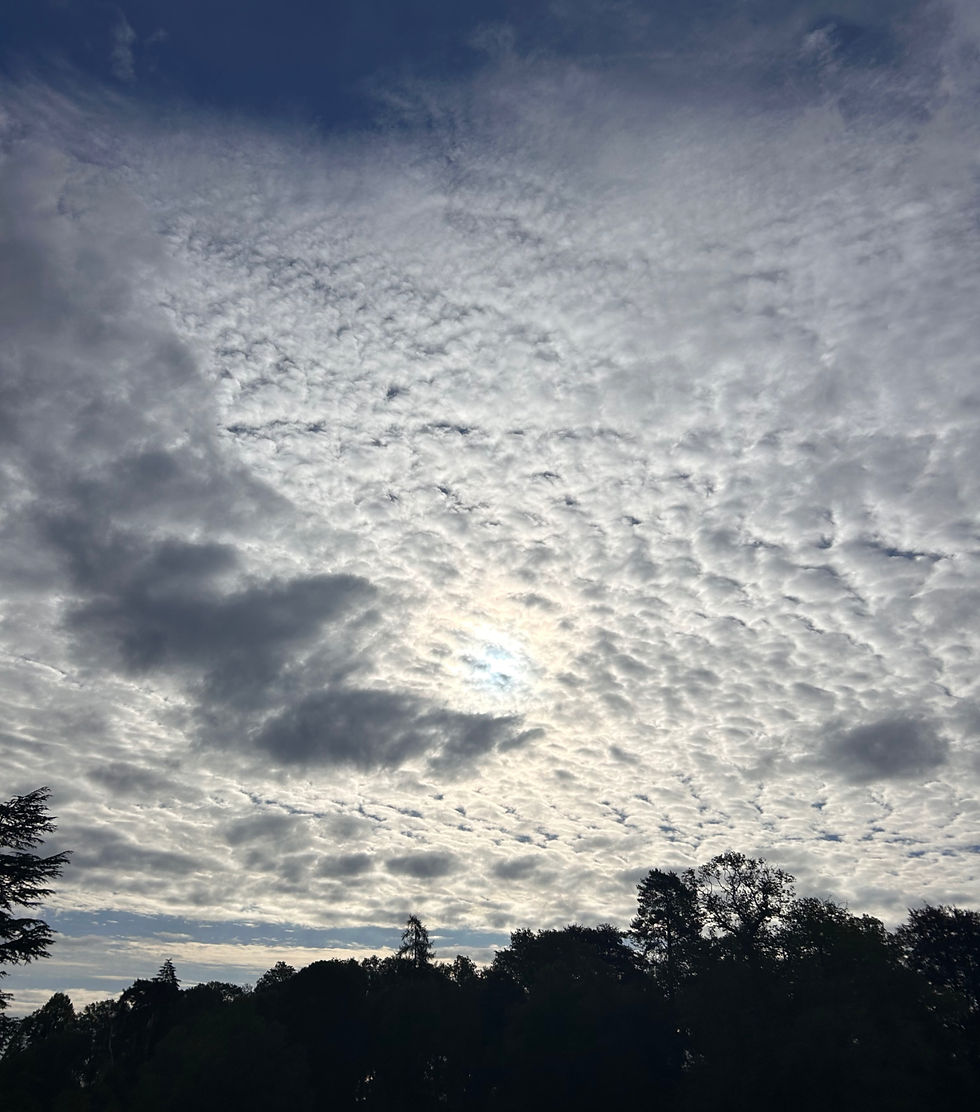
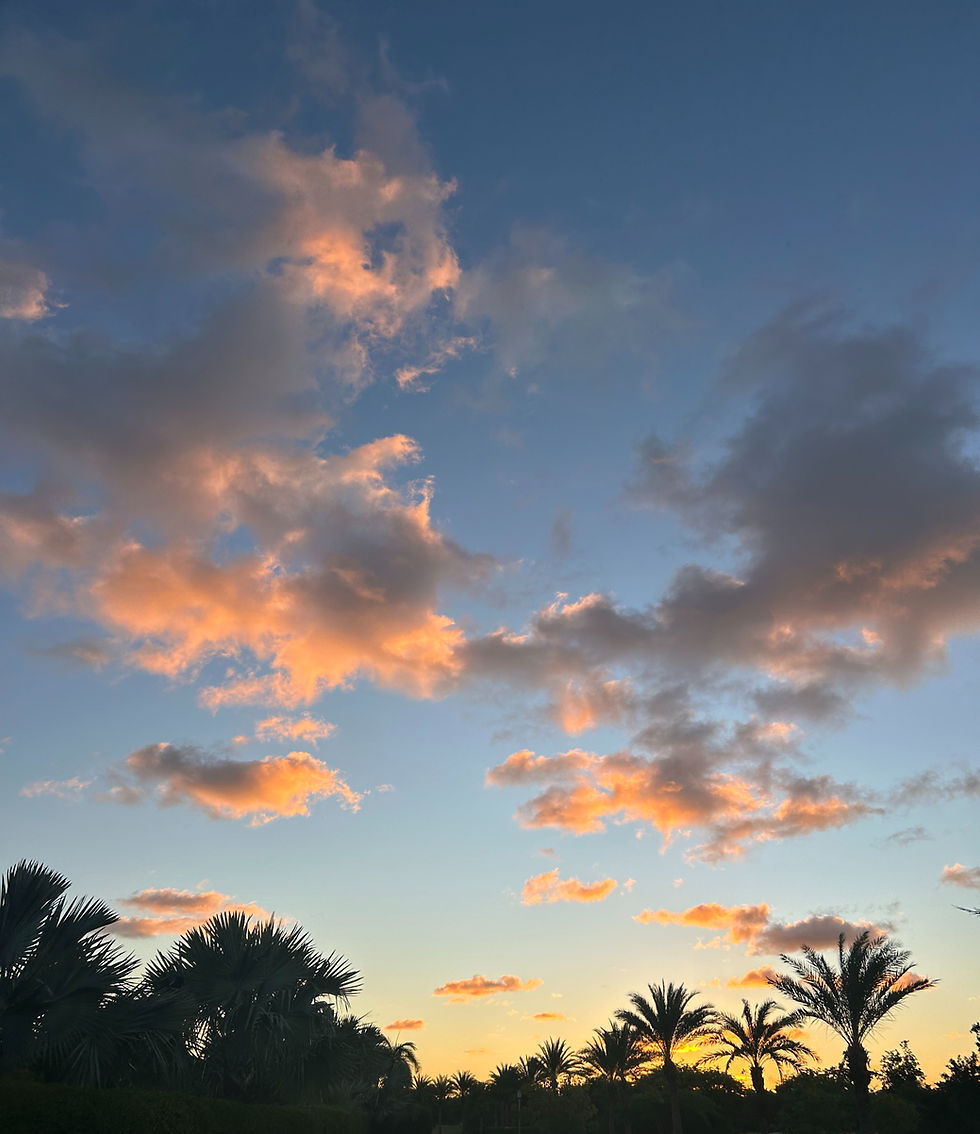
Anyway. Part of my problem when experimenting with blog writing in the past is not knowing when to stop. I am going to stop this little rambling here but will continue this and other topics in future posts. Now I have to tend to a son with a suspected concussion… (symptom severity seems oddly to depend on what is being asked of him) and organise the removal of a dead Gingko tree from our garden. I love trees (and dramatic skies, as below) but I can’t say I miss the vomit-smelling berries that it used to drop everywhere. Someone told me that the fruiting Gingko’s are lucky. So now I am probably doubly cursed for it being dead and for my happiness at its passing.

Comments